Our Strategy
Stimulating Economic Development Nationwide
Greenline seeks to establish deep relationships with both our clients and investors, and ultimately provide flexible capital to positively impact underserved businesses and communities, while generating attractive risk-adjusted returns for our investors. To accomplish this we raise capital from mission driven investors and leverage the New Markets Tax Credit program.
Investment Philosophy
Our funds are organized to address a wide range of investment opportunities, regardless of region, industry, or position in the capital structure. While the main objective of our funds is significantly the same—to make an impact—we select and customize the specific financing product on a case-by-case basis following our risk analysis and due diligence of a prospective client. This process includes understanding the client's financing requirements, its intended use of the proceeds, business model, industry, and growth plans, among others. Contingent on our due diligence, we can provide flexible senior secured debt, unsecured subordinated debt, and/or equity co-investments to businesses.
New Markets Tax Credit Program
The NMTC is a US Treasury program incentivizing community development and economic growth by providing qualifying Community Development Entities with additional capital through the sale of federal income tax credits to investors. As a CDE and an active participant in this program, Greenline leverages its subsidized capital with private investments to provide debt financing to eligible businesses located in low-income census tracts throughout the US and its territories. Greenline’s debt structures offer more favorable and flexible pricing, security, amortization, etc., compared to traditional, market-rate capital providers.
Small Business Capital Fund
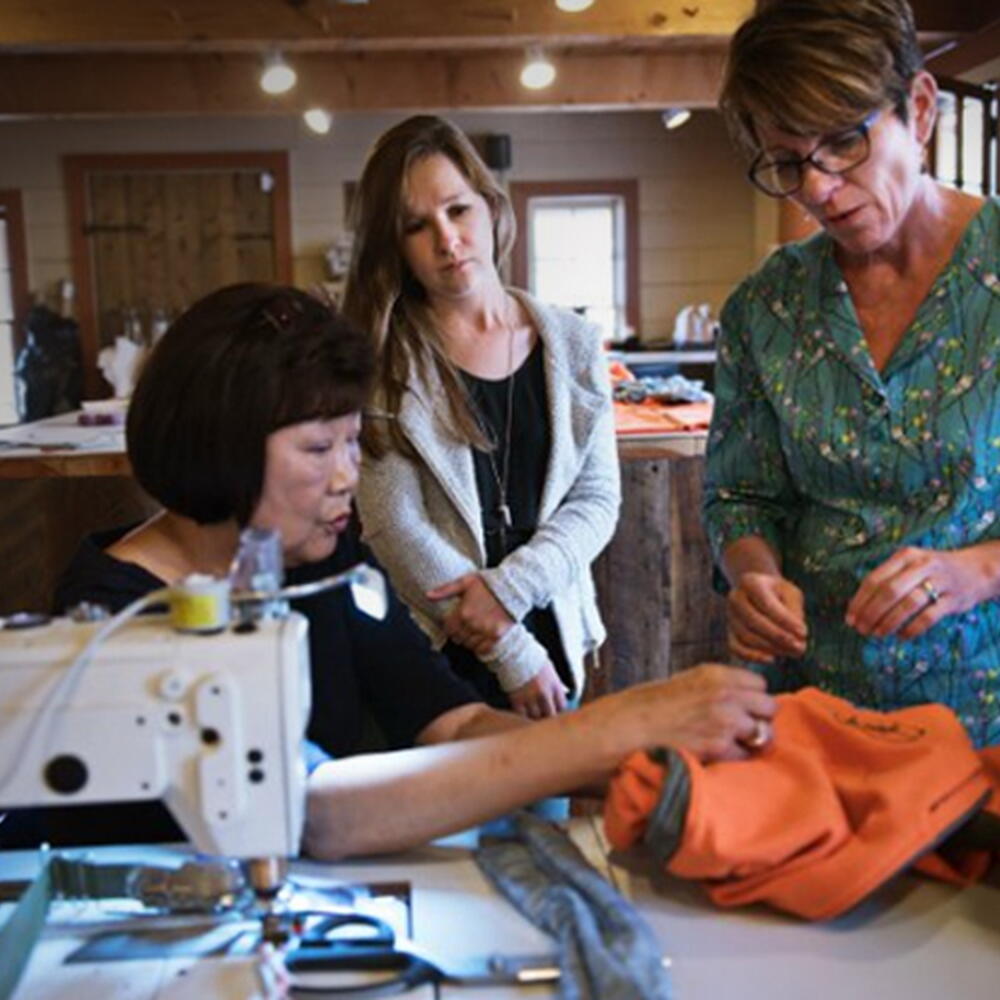
Our SBCF funds are capitalized with both NMTC-related equity and third-party, mission-driven capital. The objective of these funds is to provide attractive debt financing for impactful, underserved small and medium-sized businesses throughout the U.S. Typical borrowers are high growth, EBITDA-positive businesses who don’t qualify for bank financing or businesses needing flexible, subordinate financing behind a senior loan from a bank or other financial institution. Through its subsidized cost of capital, the SBCF provides flexible and below-market rate subordinate capital, or in some instances, below-market senior capital to its Borrowers. Loan size is typically capped at $3.5 million.
GZ Impact Fund
The GZ Impact Funds are private debt/equity funds capitalized with mission-driven capital. Eligible borrowers must be based in Colorado. The fund seeks to provide senior and subordinate loans, as well as equity financing, to high-growth, private companies that are either (1) too early-stage for traditional banks, (2) too small for private equity firms, and/or (3) seeking growth capital above and beyond what traditional financial institutions can provide and/or is less dilutive than traditional private equity investments. Investment size varies depending on underwriting.
Greenline Community Growth Fund
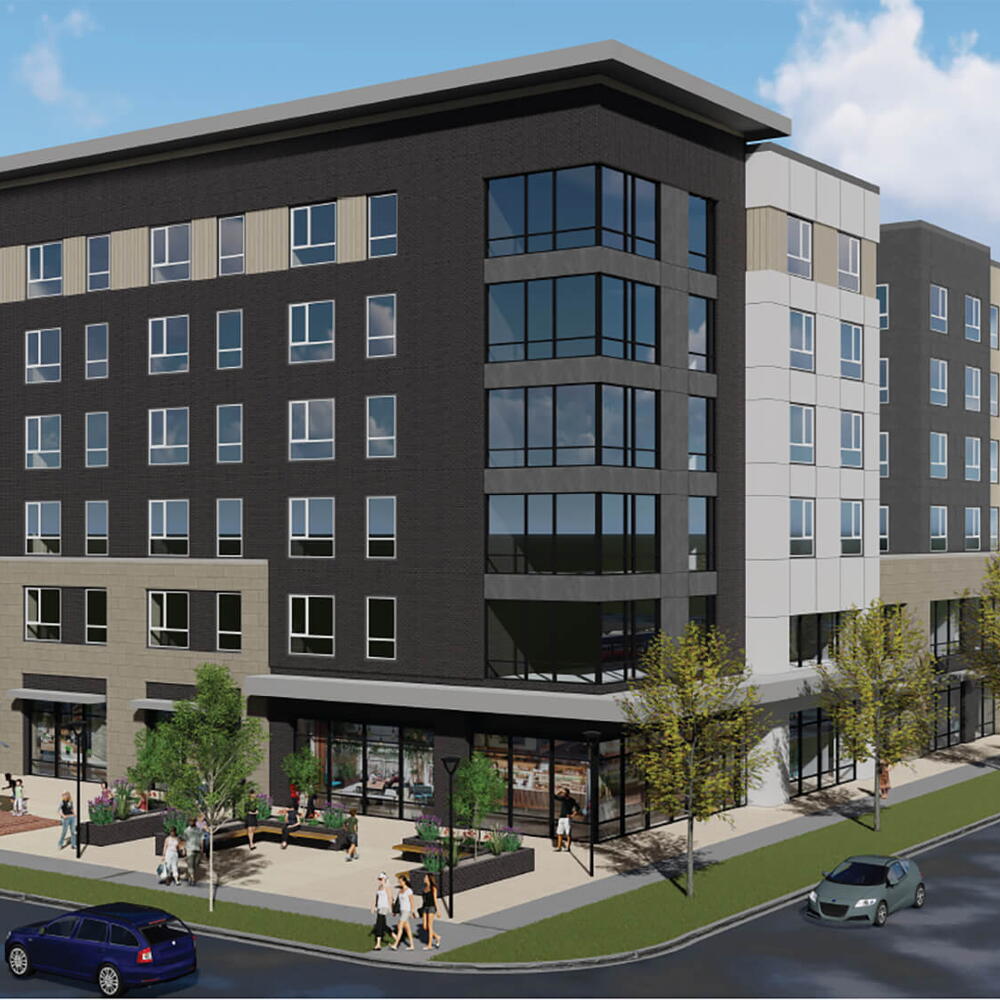
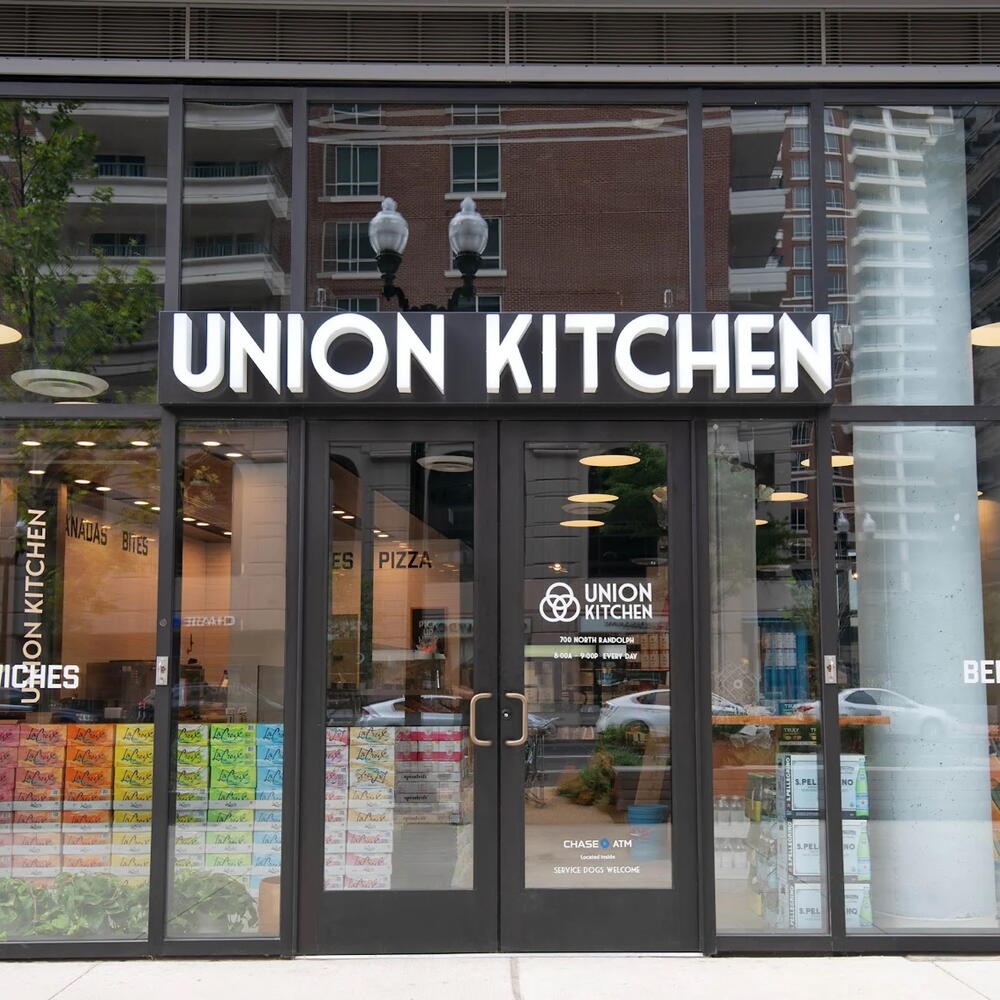
The GCGF is a proprietary venture capital fund which particularly targets small businesses (those with less than $5 million of total capitalization). Investments focus on businesses that are addressing significant community challenges and needs. For these transactions, diligence may include meetings with local community leaders and nonprofit groups to ensure Greenline’s capital provides the highest levels of benefits to the respective local communities. In addition to senior debt, our GCGF investments may be structured as equity, convertibles, or other venture debt-type structures and are typically less than $500K.

“We are grateful for the cooperation and responsiveness the Greenline team has provided. As an early debt and equity investor in Agile Space Industries, Greenline continually supported our growth and provided critical capital to fuel our expansion, initially in Colorado and then as we have expanded operations. It’s a great example of how Greenline and the New Markets Tax Credit program can provide flexible and patient capital to business like ours—allowing us to pursue high-tech manufacturing away from traditional urban centers.”
Greenline is proud to be: